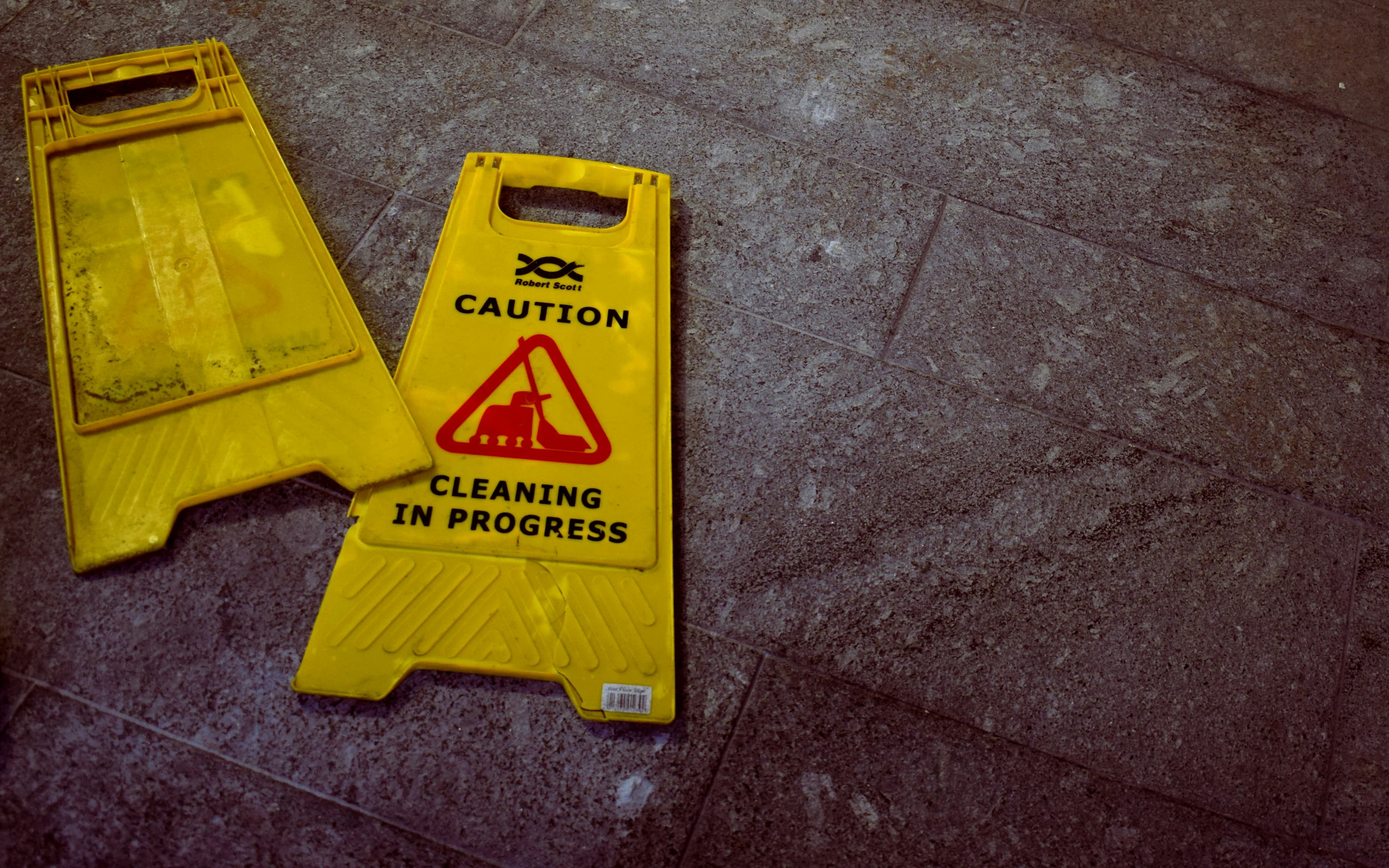
Property Owner Negligence: When Safe Places Aren't Safe
Property owners have a legal duty to maintain safe conditions for visitors. When they cut corners on maintenance, ignore hazards, or provide inadequate security, people get hurt. We make negligent property owners pay for their failures.
Types of Premises Liability Cases
When Property OwnersFail Their Duties
Slip and Fall Accidents
Most common premises liability claim
Common Conditions:
- Wet floors without warning signs
- Uneven surfaces and broken pavement
- Poor lighting in walkways
- Debris and obstacles in paths
- Worn or damaged flooring
- Ice and snow accumulation
Legal Standard: Property owner knew or should have known of dangerous condition
Common Defenses: Open and obvious danger, comparative fault
Recent Case:
$2.8M settlement - Grocery store fall resulting in hip fracture
Inadequate Security
Criminal acts on poorly secured property
Common Conditions:
- Insufficient lighting in parking areas
- Broken or non-functioning security systems
- Inadequate security personnel
- Poor visibility and blind spots
- History of criminal activity on property
- Failure to respond to security concerns
Legal Standard: Foreseeability of criminal acts + failure to provide reasonable security
Common Defenses: Criminal acts of third parties, no duty to provide security
Recent Case:
$4.5M verdict - Hotel assault due to inadequate security measures
Dangerous Property Conditions
Structural and maintenance failures
Common Conditions:
- Collapsing structures and balconies
- Defective stairs and railings
- Electrical hazards and exposed wiring
- Toxic substance exposure
- Swimming pool accidents
- Elevator and escalator malfunctions
Legal Standard: Unreasonably dangerous condition + failure to warn or repair
Common Defenses: Assumption of risk, trespasser status
Recent Case:
$6.2M settlement - Apartment balcony collapse injury
Retail and Commercial Hazards
Business property dangers
Common Conditions:
- Spills and wet floors in stores
- Falling merchandise from shelves
- Automatic door malfunctions
- Parking lot potholes and hazards
- Construction zone dangers
- Chemical spills and toxic exposure
Legal Standard: Business invitee standard - highest duty of care
Common Defenses: Customer caused the condition, no notice of hazard
Recent Case:
$3.7M verdict - Falling merchandise causes traumatic brain injury
Visitor Status Determines Rights
Your Legal StatusDetermines Recovery
Texas law creates different levels of protection based on why you were on the property. Business customers get the highest protection, while trespassers get almost none.
Invitee
Person invited for business benefit (customers, clients)
Duty Owed:
Highest duty - inspect, repair, and warn of all hazards
Examples:
- • Store customers
- • Restaurant patrons
- • Hotel guests
- • Office visitors
Recovery Potential:
Full damages if negligence proven
Licensee
Person with permission but no business benefit (social guests)
Duty Owed:
Warn of known dangerous conditions
Examples:
- • Social guests
- • Door-to-door salespeople
- • Delivery persons
Recovery Potential:
Damages for known hazards only
Trespasser
Person without permission to be on property
Duty Owed:
No intentional harm or willful/wanton conduct
Examples:
- • Unauthorized entrants
- • Children on property
- • Trespassers
Recovery Potential:
Limited - only for intentional/willful harm
Proving a Premises Liability Case
Four Elements WeMust Prove
1. Dangerous Condition
Requirements:
- Condition posed unreasonable risk of harm
- Condition was not open and obvious
- Property owner created or knew of condition
- Reasonable person would recognize the danger
Evidence Needed:
Photos, video, witness statements, expert testimony
2. Notice to Owner
Requirements:
- Actual notice - owner knew of specific condition
- Constructive notice - should have known through inspection
- Time to discover and remedy the condition
- Reasonable inspection would have revealed hazard
Evidence Needed:
Incident reports, inspection records, employee statements
3. Causation
Requirements:
- Dangerous condition caused the injury
- No intervening cause broke the chain
- Injury was foreseeable result
- Condition was substantial factor in harm
Evidence Needed:
Medical records, accident reconstruction, expert analysis
4. Damages
Requirements:
- Medical expenses and treatment costs
- Lost wages and earning capacity
- Pain and suffering
- Permanent disability or disfigurement
Evidence Needed:
Medical bills, employment records, expert testimony
Critical Investigation Steps
Immediate Scene Documentation
- Photograph/video all conditions and hazards
- Measure dimensions of hazards
- Document lighting conditions
- Identify all witnesses
- Obtain incident reports
- Check for surveillance cameras
Property Owner Investigation
- Research ownership and management
- Review lease agreements and responsibilities
- Obtain insurance policy information
- Check inspection and maintenance records
- Review prior incident history
- Identify all responsible parties
Expert Analysis
- Retain premises liability expert
- Conduct site inspection
- Review applicable codes and standards
- Analyze maintenance procedures
- Evaluate security measures if applicable
- Prepare expert report
Injured on someone's property?
Property owners have a duty to keep their premises safe. When they fail, we hold them accountable. Time is critical—evidence disappears fast in premises liability cases.